
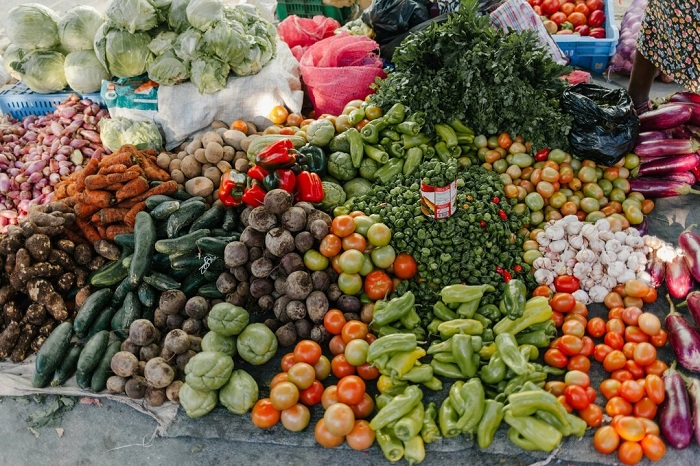
Nigeria has drawn a bold line in the sand. Faced with alarming rates of malnutrition, the Federal Government, experts, and development partners are joining forces to confront a crisis that quietly threatens millions of lives.
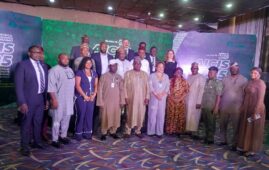
At a high-level stakeholders’ meeting in Abuja, government officials made one thing clear: this is no longer business as usual. A new National Multisectoral Plan of Action for Food and Nutrition is in the works—and it could reshape the country’s future.
Leading the charge, Permanent Secretary Dr. Deborah Odoh described the initiative as a “critical step” toward ensuring every Nigerian has access to safe, affordable, and nutritious food. The plan will guide action across sectors and set the tone for how Nigeria tackles food and nutrition challenges over the next decade.
But the numbers paint a worrying picture.
About 40% of Nigerian children are stunted. Millions more suffer from wasting, underweight, and severe vitamin deficiencies. Among women and young children, anemia rates remain dangerously high. These are not just statistics—they are lives at risk, futures delayed, and potential lost.
The message from stakeholders was direct: malnutrition is not just a health problem. It is an economic and national development issue.
From farms to classrooms, from hospitals to households, the fight against malnutrition cuts across every sector. That is why this new plan is bringing everyone to the table—government agencies, civil society, academics, and the private sector.
Speaking at the meeting, Senior Special Assistant to the President on Public Health, Uju Rochas-Anwukah, emphasized that policy alone will not change lives, says what matters is action.
“Implementation is the bridge between ambition and results,” she said.
She stressed that nutrition must move beyond paper plans into real impact in communities.
There are signs of progress. Previous efforts have helped shape policies and improve coordination. But gaps remain—only a fraction of states have fully adopted and implemented nutrition plans.
Now, the government says it is determined to close those gaps.
Experts like Dr. Osita Okonkwo of Nutrition International welcomed the renewed push, calling it “timely and strategic.”
He noted that tackling malnutrition will not only save lives but also boost education, productivity, and economic growth.
The stakes could not be higher.
If successful, this new national plan could mean healthier children, stronger families, and a more resilient nation. If it fails, the cycle of poor nutrition and poverty will continue to hold millions back.
For now, all eyes are on what happens next. Nigeria has made the promise. The real test is delivering on it.


more recommended stories
 Tuggar makes case for Africa’s authentic owned, culturally grounded democracy
Nigerian Foreign Minister has stressed the.
-
National security remains Tinubu’s top priority – FG
Nigerian government has reiterated its commitment.
-
AKH-TRACADA commends Cross River Govt for creating Anti-Drug Club in schools
Anti – kidnapping, Human Trafficking, Child.
-
China, Africa intelligentsia share thoughts on harnessing GGI potentials
Chinese and African intelligentsia have shared.
-
Establishment of 15 Chinese Corners highlights China, Nigeria relations – Education Secretary
FCT Mandate Secretary for Education, Dr..
-
Chinese Mandarin officially added to Nigerian school curriculum
Nigerian government has formally added the.
-
Climate Change: Tinubu calls for resilient, green inclusive industrial future
Nigerian President, Bola Ahmed Tinubu has.
-
AKH-TRACADA commiserates with Republic of Ghana over death of two ministers, other top officials
The Anti – kidnapping, Human Trafficking,.
-
AKH-TRACADA hails FG for compulsory NDLEA Integrity Drug Test for undergraduates
An NGO in the forefront of.
-
FCT Health Official urges supportive workplaces for breastfeeding mothers
The Deputy Director of Nutrition, Federal.





Leave a Comment